


Complete Multi-mode inlets and programmable temperature vaporisers

- Duration: 3.25 hours for on-demand
- Experience level: Advanced
- Delivery methods: Offsite training & consultancy | On-Demand | Online | Onsite training & consultancy | Tailored training |
- Type of course: Universal
- Applicable to manufacturer(s): Agilent | CTC analytics | GERSTEL | GL Sciences | Shimadzu | Thermo |
- CPD Approved: Approved
- Scheduled course price: £211.25 + TAX per delegate
- Course discounts: RSC CAMS HEaTED Cambridge Network members receive a discount on this course
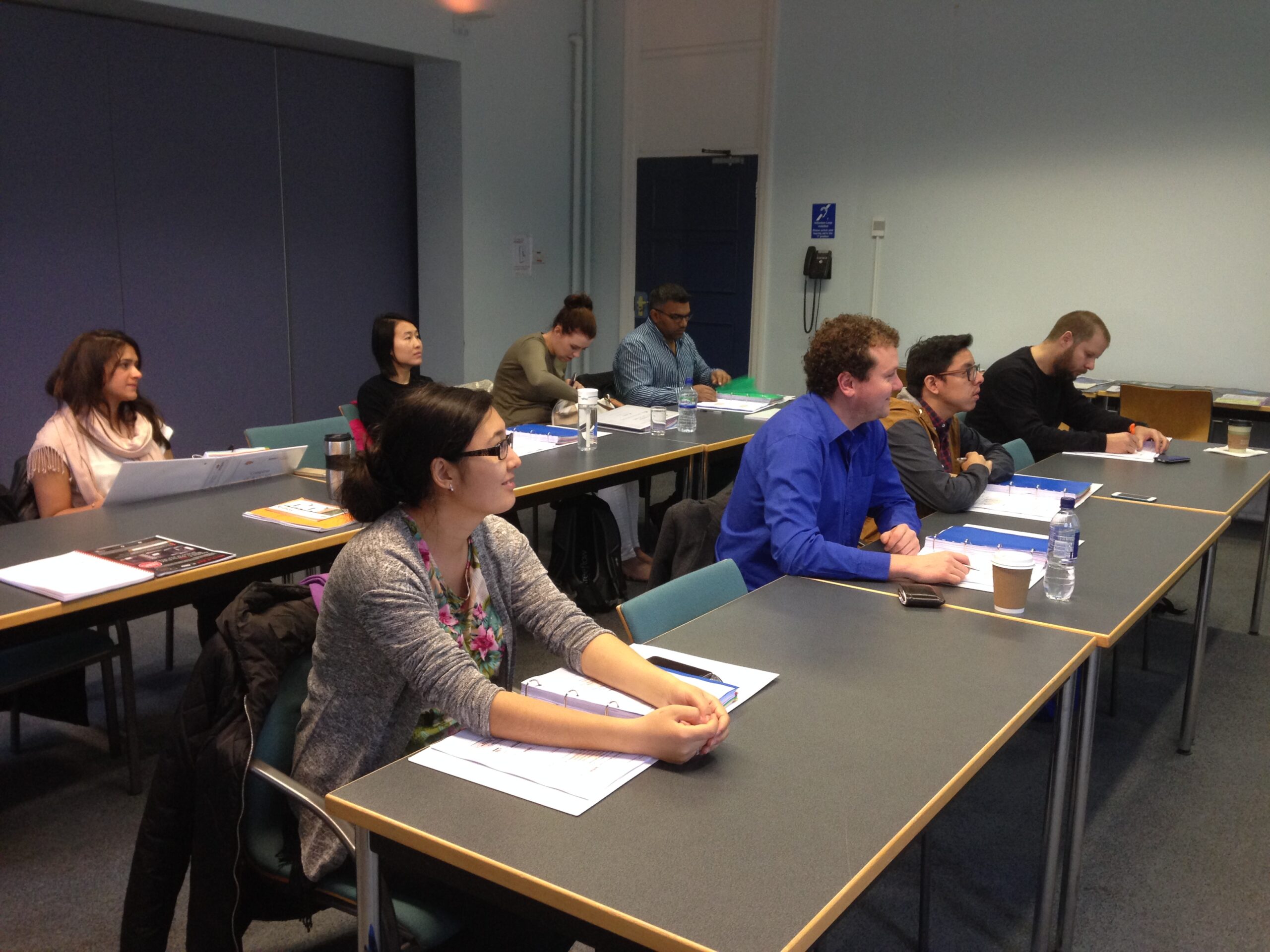
Your complete guide to Programmable Temperature Vaporisers and Multi-Mode Inlets
Module 1 of the Complete advanced injection for GC and GC-MS
This Complete PTVs and MMIs training is approved by the Royal Society of Chemistry (RSC) for the purposes of Continuing Professional Development (CPD). The course explores the operation, maintenance and troubleshooting of programmable temperature vaporisers (PTVs) and multi-mode inlets (MMIs) for GC and GC-MS. Explore direct thermal desorption and extraction, pyrolysis, in-liner derivatisation, temperature programming, gas flows and sample properties and how they link to analytical performance, using examples to explain how to optimise sample transfer and recognise common problems.
This training is designed for students, chemists and professionals to bring together injection technique selection, operating parameters and routine maintenance to help you make better use of PTV and MMI capabilities.
Why should I join?
On completion of this training, you will have a practical understanding of PTV and MMI sample introduction, giving you:
- A clear understanding of how inlet design and sample introduction influence GC and GC-MS results
- Insight into selecting hot or cold injection for thermally labile, high molecular weight, active and trace analytes
- An understanding of the benefits and limitations of on-column, split and splitless injection techniques
- Guidance on choosing inlet liners, packing materials and operating conditions for your sample and analytical aims
- An introduction to large volume injection, thermal desorption and extraction, pyrolysis and in-liner derivatisation
- Practical approaches to recognising discrimination, poor peak shape, sample loss, contamination and poor reproducibility
- A valuable refresher on PTV and MMI operation, routine maintenance and troubleshooting
What would I learn?
This course focuses on the principles, applications and practical care of PTVs and MMIs for GC and GC-MS sample introduction.
You will learn:
- How GC sample introduction works, including inlet components, carrier gas, septum purge, split flow and column flow
- The differences between hot and cold injection, syringe mass discrimination, solvent vapour expansion and liner capacity
- On-column injection, solvent focusing, retention gaps and the effects of solvent and stationary phase polarity
- Hot and cold split and splitless injection, including split ratios, purge timing, cold trapping, inlet heating and oven temperature settings
- The principles of large volume injection and solvent elimination using rapid, speed-controlled and multiple injections
- Direct thermal desorption and thermal extraction, including gas and solid sampling, sorbent selection, conditioning, recovery and breakthrough checks
- The principles and applications of pyrolysis, isothermal, sequential and fractionated approaches, and in-liner derivatisation including thermochemolysis
- PTV cooling options, liner styles, packing and deactivation, septa, seals, nuts, ferrules, column installation and troubleshooting
What knowledge will I gain?
By the end of the course, you will:
- Explain the role of PTVs and MMIs in transferring a representative sample onto the analytical column with minimal unwanted chemical change
- Recognise how analyte volatility, thermal stability, activity, concentration and sample matrix influence injection technique selection
- Understand how hot and cold injections affect syringe discrimination, thermal degradation and the amount of sample the liner can accommodate
- Know how liner design, packing, deactivation and solvent compatibility influence sample transfer, peak shape and reproducibility
- Understand how to optimise split ratio, splitless time, inlet temperature programming, oven initial conditions and analyte focusing
- Explain the solvent vent sequence used for PTV large volume injection and recognise the balance between sensitivity, sample loading and contamination
- Distinguish thermal desorption from direct thermal extraction, select suitable sorbents and understand recovery, breakthrough and focusing checks
- Become familiar with PTV pyrolysis, pyrogram interpretation, thermochemolysis and other in-liner derivatisation approaches, including their benefits and limitations
- Recognise common causes of tailing, ghost or split peaks, discrimination, low sensitivity, leaks and poor reproducibility, and understand relevant maintenance checks
Is this course for me?
This RSC-approved CPD training is designed for anyone who uses, supports or would like a practical understanding of PTVs and MMIs in GC and GC-MS. It is relevant to:
- Laboratory analysts and technicians using PTV or MMI inlets for routine analysis and method optimisation
- Laboratory managers overseeing GC and GC-MS workflows, instrument performance and maintenance
- Method developers and researchers selecting injection techniques for trace, high molecular weight, thermally labile or active analytes
- Service engineers and technical support staff maintaining or troubleshooting GC sample introduction systems
- Sales, commercial and marketing teams seeking to understand PTV and MMI capabilities, applications and consumables
If PTVs or MMIs are part of your analytical work, this course will help you connect injection technique, operating conditions and maintenance with reliable GC and GC-MS performance.
