
Hands-on Derivatisation

- Duration: 1 day for live courses
- Experience level: Advanced
- Delivery methods: Face-to-face | Offsite training & consultancy | Onsite training & consultancy | Tailored training |
- Type of course: Universal
- Applicable to manufacturer(s): Agilent | Bruker | CTC analytics | GERSTEL | GL Sciences | Leco | PerkinElmer | Sciex | Scion | Shimadzu | SRI | Thermo | Varian | Waters |
- CPD Approved: Approved
- Scheduled course price: £650.00 + TAX per delegate
- Course discounts: RSC CAMS HEaTED Cambridge Network members receive a discount on this course
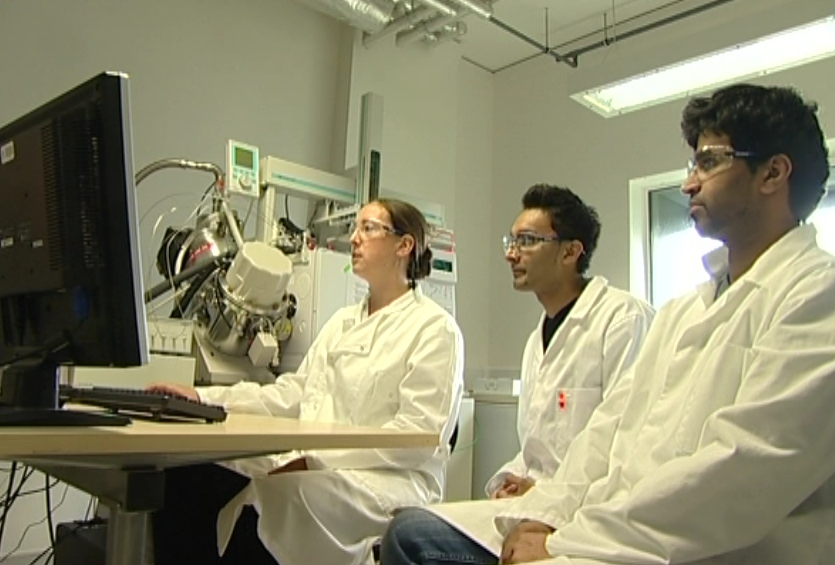
Your Hands-on approach to learning derivatisation
Module 1 of the Hands-on of Sample Preparation course.
Combine the practical theory of derivatisation with laboratory-based exercises when attending this Hands-on training course approved by the Royal Society of Chemistry (RSC) for Continuing Professional Development (CPD). Apply the knowledge learnt to practical exercises involving reagent selection, method development, optimisation, reaction chemistry, automation, and troubleshooting. Gain experience of derivatisation workflows, reagents, instrumentation, and analytical techniques used to improve chromatographic performance. This course provides a Hands-on approach to one of the most valuable tools used in analytical chemistry to overcome challenges associated with difficult-to-analyse compounds.
This Hands-on Derivatisation course is designed for analysts, scientists, technicians, and laboratory professionals who would like to develop both a practical and theoretical understanding of derivatisation techniques. The course combines reaction chemistry, method development, reagent selection, optimisation, troubleshooting, and real-world applications with laboratory-based exercises that reinforce learning and build confidence in using derivatisation.
Why should I join?
On completion of this Hands-on derivatisation training, you will have both a strong theoretical understanding and practical experience of developing, optimising, and troubleshooting derivatisation methods.
This Hands-on derivatisation course gives you:
- A clear understanding of the principles behind derivatisation and chemical modification
- Practical experience of selecting and applying derivatisation reagents
- How derivatisation improves volatility, stability, chromatographic performance, and detector response
- Insight into functional groups commonly targeted during derivatisation reactions
- Practical guidance on method optimisation including reagent selection, temperature, reaction time, and solvent choice
- Hands-on experience with GC, GC-MS, LC, and LC-MS derivatisation workflows.
- Exposure to common derivatisation techniques including acylation, silylation, alkylation, methylation, and esterification
- Practical troubleshooting techniques for solving common derivatisation problems.
What would I learn?
This course focuses on providing an in-depth understanding of Derivatisation combined with practical hands-on experience. You will learn:
- The principles of derivatisation and why chemical modification is used in analytical chemistry
- How derivatisation can improve analyte suitability for chromatographic and spectrometric analysis
- The role of functional groups including hydroxyls, thiols, amines, carboxylic acids, aldehydes, and ketones in derivatisation reactions
- How to select suitable derivatisation reagents for different analytes, detectors, and analytical techniques
- Practical approaches to method development including solvent selection, reagent optimisation, reaction temperature, and reaction time
- The principles and applications of acylation, silylation, alkylation, methylation, and esterification
- The differences between offline, pre-column, post-column, in-liner, and automated derivatisation approaches
- The use of automated sample preparation systems and robotic platforms for derivatisation workflows
- Common causes of derivatisation problems and how to troubleshoot them effectively
What knowledge will I gain?
By the end of the course, you will:
- Understand the fundamental principles behind derivatisation and analytical reaction chemistry
- Be able to explain how derivatisation modifies chemical and physical properties to improve analytical performance
- Understand how derivatisation can improve volatility, thermal stability, selectivity, sensitivity, and detector response
- Know how functional groups influence analyte behaviour and derivatisation requirements
- Be familiar with commonly used derivatisation reagents and their applications.
- Understand the principles of acylation, silylation, alkylation, methylation, and esterification reactions
- Knowledge in selecting and optimising derivatisation methods for different analytes and analytical techniques
- Understand the operation and application of automated derivatisation workflows.
- Be able to identify and troubleshoot common issues including incomplete reactions, reagent degradation, hydrolysis, contamination, artefact formation, and poor recoveries
Is this course for me?
This RSC-approved for CPD Hands-on derivatisation course is designed for anyone who wants a practical understanding of derivatisation as an analytical sample preparation technique.
- Laboratory analysts and technicians performing sample preparation and derivatisation procedures
- Scientists developing analytical methods involving GC, GC-MS, LC, or LC-MS.
- Laboratory managers overseeing sample preparation and analytical workflows
- Data analysts and report writers seeking a better understanding of how sample preparation influences analytical results
- Service engineers supporting analytical laboratory equipment and sample preparation systems
- Sales, marketing, and commercial professionals working with analytical instrumentation, reagents, consumables, or automation systems
- Researchers and scientists looking to strengthen their understanding of derivatisation chemistry
If derivatisation touches your work in any way, this well-planned course delivered by experts in the field equips you to understand the science behind these techniques.
Course combinations
Can’t attend the full course? No worries, combine days or modules to create training that works best for you. The more days you book the larger the discount.
- For 2 days, pay £1250
- For 3 days, pay £1825
- For 4 days, pay £2350
- For 5 days, pay £2850
Please note, discounts won’t apply when booking but will appear on your invoice.


