
Applied ICP-MS interferences
- Duration: 1 day for live courses
- Experience level: Advanced
- Delivery methods: Face-to-face | Offsite training & consultancy | Online | Onsite training & consultancy | Tailored training |
- Type of course: Universal
- Applicable to manufacturer(s):
- CPD Approved: Not yet approved
- Scheduled course price: £485.00 + TAX per delegate
- Course discounts: RSC HEaTED Cambridge Network CAMS members receive a discount on this course
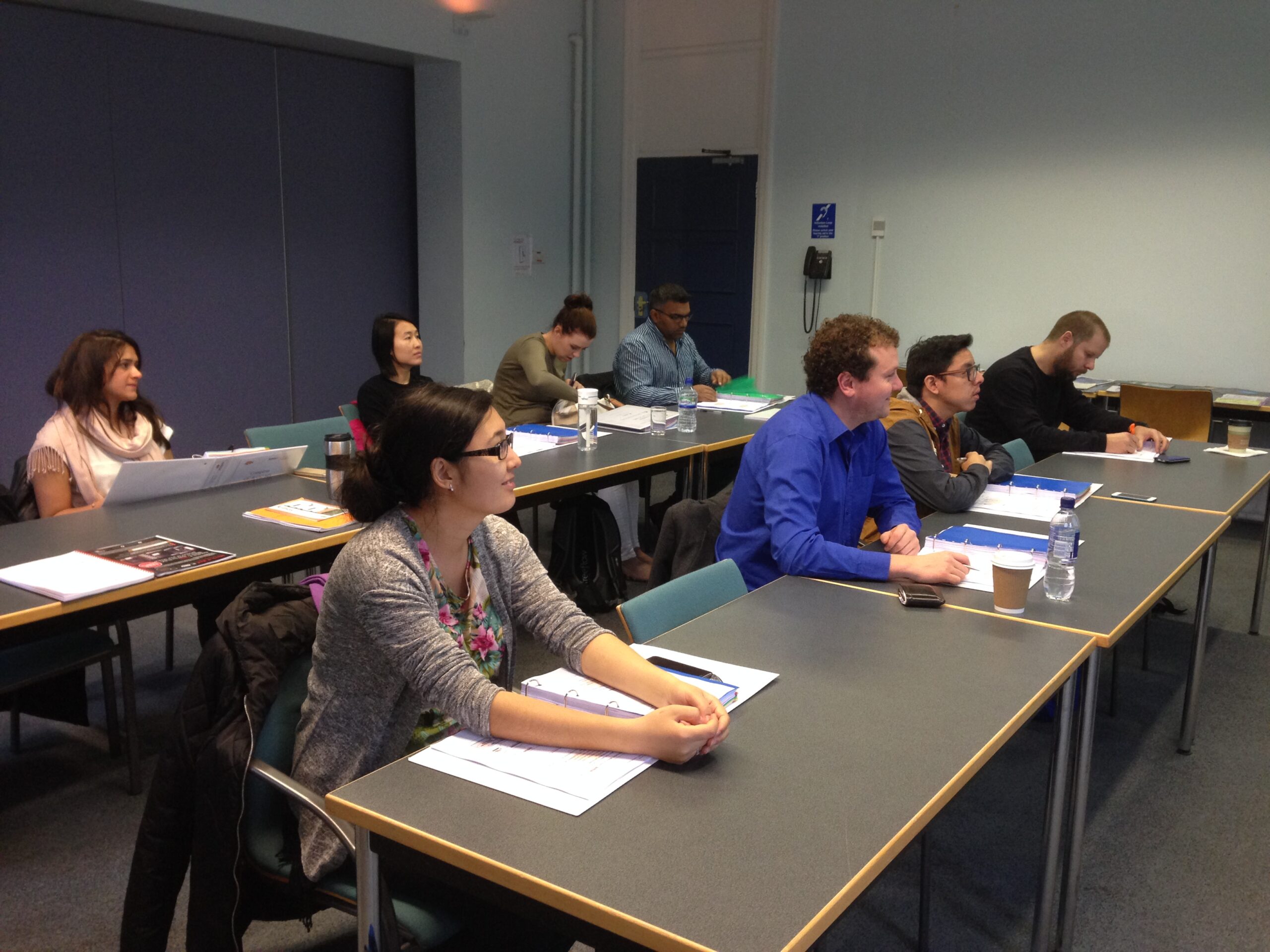
Your in-depth guide to inductively coupled plasma mass spectrometry (ICP-MS) interferences
This 1-day, classroom-based course offers an in depth level dive into inductively coupled plasma-mass spectrometry (ICP-MS) interferences, designed for those with basic to intermediate mass spectrometry knowledge.
This analytical chemistry training covers identifying and overcoming complex spectral and non-spectral interferences, including isobaric overlaps, polyatomic formations, and doubly charged ions, as well as physical transport effects.
This course will cover the theory and chemistry behind ICP-MS, plus it goes beyond how the instrumentation works to look into how various techniques and mitigations can be applied to an ICP-MS workflow in order to reduce interferences. Cement your knowledge by applying what you learn to real-life case studies involving ICP-MS interferences. Improve understanding further with the opportunity to handle and see (virtual courses) instrument parts such as an ICP torch, spray chamber and nebuliser.
Why should I join?
On completion of this ICP-MS training course you will have a more in-depth understanding of what causes interferences in ICP-MS how to spot them in data and mitigation techniques that can be applied to analysis and sample preparation.
This Applied ICP-MS interference course gives you:
- A strong understanding ICP-MS interferences and the various types
- Clear explanations of ICP-MS instrumentation and components
- Understanding of the different types of interferences and the reasons behind them
- Confidence to look at data and spot interferences
- A good stepping stone, taking your basic knowledge of ICP-MS to a useful depth
- A great refresher if you have not performed ICP-MS for a while
What would I learn?
This intermediate course focuses on the theory of ICP-MS and how the plasma and chemistry of samples can cause interferences during analysis.
- The principles of inductively coupled plasma and mass spectrometry
- Types of interference removal available and the method parameters that can be applied to enable this
- Where interferences can occur in both ICP-MS and ICP-MS/MS
- Uses of collision reaction cells (CRCs) to reduce polyatomic interferences
- The use of cell gases in relation to interferences within the ICP-MS instrument
- The reasons and uses of sample preparation techniques for ICP-MS
- Polyatomic/isobaric interferences in ICP-MS and how CRC can be used to correct for this
- Taking interferences into account during ICP-MS method development
- Apply your knowledge to case-studies involving real-world data involving ICP-MS interference data across diverse industries including environmental monitoring for trace metals and the pharmaceutical industry
What knowledge will I gain?
By the end of the course, you will:
- Understand the concepts of ICP-MS and why interferences occur
- Have an insight into the types of interferences including polyatomic, isobaric and doubly charged interferences
- Understand the ionisation and how fragmentation can lead to interferences
- Comprehend the data produced by ICP-MS and what qualitative and quantitative information it can provide
- Comprehend common interference removal strategies such as kinetic energy discrimination and matrix suppression
- Recognise how sample preparation can be key to removing interferences in analysis
- Understand how maintenance and troubleshooting can help reduce interferences in ICP-MS
Is this course for me?
This ICP-MS training course designed for anyone who would like an enhanced understanding of ICP-MS
- Laboratory analysts & technicians using ICP-MS methods for elemental analysis
- Laboratory or line managers overseeing ICP-MS instruments and analysis
- Data analysts and report writers who work with ICP-MS data
- Service engineers who want an in-depth view of ICP-MS as a technique
- Sales, commercial or marketing teams who work with ICP-MS components, instruments, or services in anyway and would like more in-depth knowledge
If ICP-MS links to your work in anyway, this applied course delivered by experts in the field will provide you with a solid and deeper understanding of ICP-MS as an analytical technique.


