
Applied ICP-OES interferences
- Duration: 1 day for live courses
- Experience level: Advanced
- Delivery methods: Face-to-face | Offsite training & consultancy | Online | Onsite training & consultancy |
- Type of course: Universal
- Applicable to manufacturer(s):
- CPD Approved: Not yet approved
- Scheduled course price: £485.00 + TAX per delegate
- Course discounts: RSC HEaTED Cambridge Network CAMS members receive a discount on this course
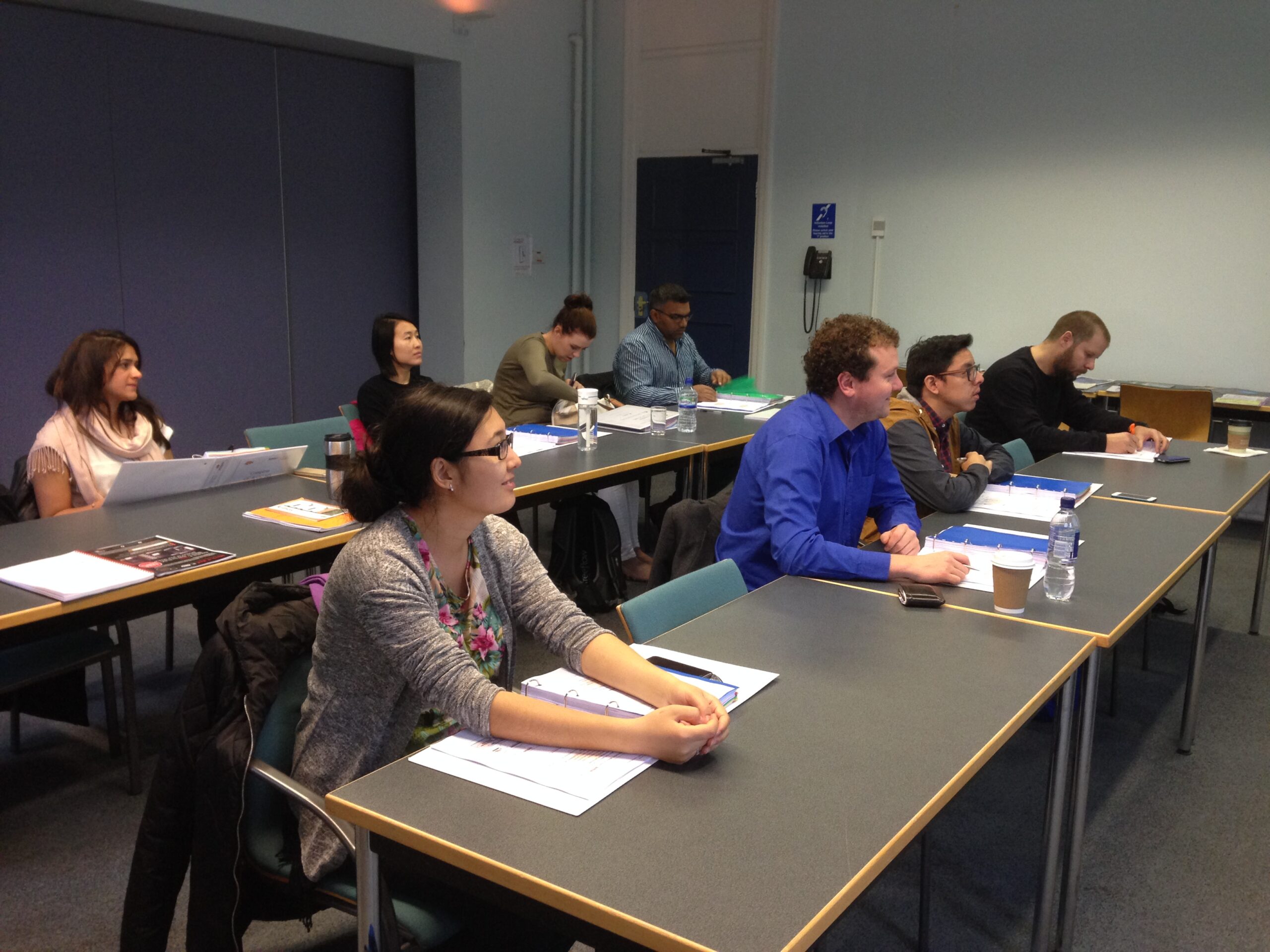
Your in-depth guide to inductively coupled plasma optical emission spectroscopy (ICP-OES) interferences
This 1-day, classroom-based course offers an in-depth exploration of inductively coupled plasma optical emission spectroscopy (ICP-OES) interferences, designed for those with basic to advanced knowledge of elemental analysis.
This analytical chemistry training course focuses on identifying and overcoming spectral and non-spectral interferences in ICP-OES, including line overlaps, background emission effects, matrix suppression/enhancement, and physical transport phenomena.
The course covers the principles and chemistry behind ICP-OES, going beyond instrumentation fundamentals to explore how different techniques and mitigation strategies can be applied within an ICP-OES workflow to reduce interferences. You will reinforce your understanding by applying your knowledge to real-life case studies involving ICP-OES data and interference challenges. Improve understanding further with the opportunity to handle and see (virtual courses) instrument parts such as an ICP torch, spray chamber and nebuliser.
Why should I join?
You will have a deeper understanding of what causes interferences in ICP-OES, how to identify them in spectral data, and the techniques available to minimize their impact during analysis and sample preparation.
This course provides you with:
- A strong understanding of ICP-OES interferences and their different types
- Clear explanations of ICP-OES instrumentation and key components
- Understanding of spectral and non-spectral interferences and their origins
- Confidence to interpret emission spectra and recognise interference patterns
- A solid progression from basic knowledge to practical analytical depth
- An excellent refresher if you have not used ICP-OES recently
This is your opportunity to enhance your ICP-OES expertise and gain insight into the causes of analytical inaccuracies in your data.
What would I learn?
This advanced course focuses on the theory of ICP-OES, particularly how plasma conditions and sample composition contribute to interferences during measurement. You will learn:
- The fundamental principles of inductively coupled plasma and optical emission spectrometry
- Different types of interference reduction and correction strategies
- Where interferences occur within the ICP-OES system (plasma, optics, detector)
- The impact of spectral overlaps and background emission on accuracy
- The use of background correction techniques such as off-peak correction and multi-point correction
- The influence of matrix effects on emission intensity
- The role of sample preparation techniques in ICP-OES
- Line selection strategies to minimise spectral interference
- Considering interferences during method development and validation
- Applying your understanding to real-world ICP-OES datasets, including environmental and industrial samples
- The role of maintenance and troubleshooting, and how these can aid in reducing interferences during analysis
What knowledge will I gain?
By the end of the course, you will:
- Understand the principles of ICP-OES and why interferences occur
- Gain insight into spectral interferences (line overlap, molecular bands) and non-spectral interferences (matrix and physical effects)
- Understand how method parameters can influence emission signals
- Interpret ICP-OES data and distinguish between true signals and interference artefacts
- Comprehend the various background correction techniques used in ICP-OES
- How matrix matching and internal standards can be used for correcting interferences in analysis
- Where dilution and sample preparation strategies can and aid in reducing interferences
Is this course for me?
This ICP-OES training course is designed for anyone seeking a deeper understanding of ICP-OES, including:
- Laboratory analysts and technicians working with elemental analysis using ICP-OES
- Laboratory or line managers responsible for ICP-OES operations and workflows
- Data analysts and report writers interpreting ICP-OES spectra and results
- Service engineers seeking a more detailed understanding of ICP-OES systems
- Sales, commercial, or marketing professionals working with ICP-OES instrumentation or services
If ICP-OES is relevant to your work in any capacity, this applied course, delivered by experts in the field will provide you with a practical understanding of ICP-OES interferences.


