
Hands-on splitters and backflushing
- Duration: 1 day for live courses 13 hours for on-demand
- Experience level: Advanced
- Delivery methods: Face-to-face | Offsite training & consultancy | Onsite training & consultancy | Tailored training |
- Type of course: Universal
- Applicable to manufacturer(s): Agilent | Leco | PerkinElmer | Shimadzu | Thermo |
- CPD Approved: Not yet approved
- Scheduled course price: £650.00 + TAX per delegate
- Course discounts: RSC CAMS HEaTED Cambridge Network members receive a discount on this course
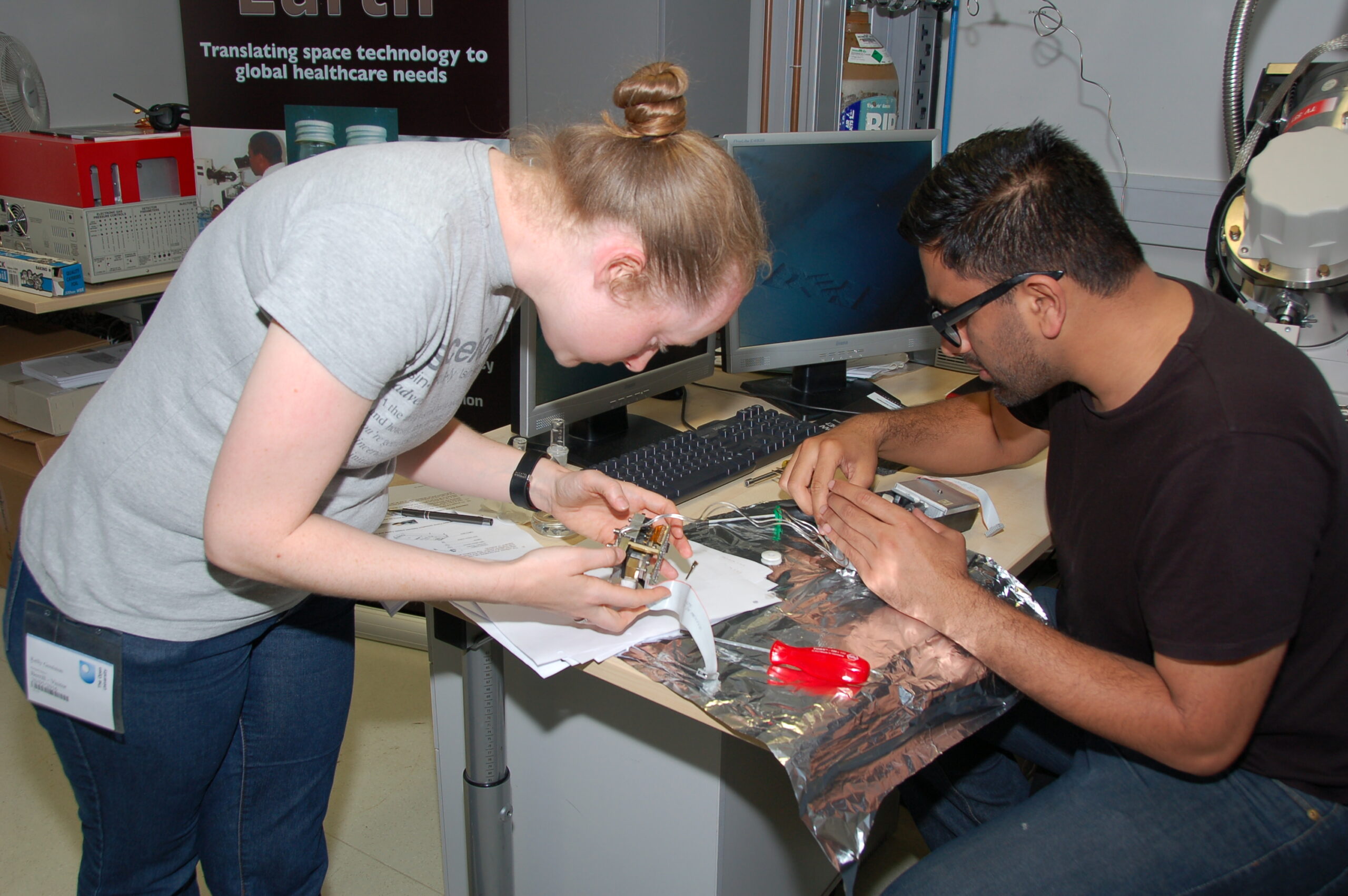
Your Hands-on approach to GC splitters and backflushing
Combine the theory of capillary flow technology (CFT), flow management, and multidimensional GC with practical laboratory-based exercises in this advanced Hands-on 1-day training approved by the Royal Society of Chemistry (RSC) for the purposes of Continuing Professional Development (CPD). Designed for analysts, professionals and students who are experienced GC users, this course bridges the gap between understanding flow control techniques and implementing them successfully in the laboratory.
Using practical laboratory exercises, you will configure splitters, install and optimise capillary flow devices, set up Deans switch systems, develop heart-cutting methods, configure backflush routines, calculate restrictor dimensions, and improve analytical performance, robustness, and instrument productivity.
Why should I join?
On completion, you will have both the theoretical knowledge and practical experience required to confidently install, optimise, and operate advanced capillary flow technology systems, giving you:
- Strong theoretical and practical understanding of capillary flow technology (CFT) and gas flow management
- Understanding of Deans switch operation and heart-cutting chromatography principles
- Confidence setting up and optimising backflush methods to reduce run times and contamination
- Experience calculating and configuring restrictors, flows and pressure settings
- Practical knowledge of pneumatic control modules (PCM) and EPC control systems
- Improved understanding of detector splitting and multi-detector workflows
- Confidence troubleshooting flow-related chromatographic problems
- Valuable skills applicable to GC, GC-MS and multidimensional chromatography systems
What would I learn?
A practical course combining theory with laboratory-based exercises, you will learn:
- The principles and applications of capillary flow technology (CFT)
- How flow devices are used to join, split, merge and switch chromatographic flows
- The requirements for leak-free, low dead-volume and inert flow connections
- Differences between traditional connectors and modern microfluidic flow devices
- How to configure and optimise two-way and three-way splitters
- How to install and configure Deans switch hardware
- Principles and operation of heart-cutting multidimensional gas chromatography
- Restrictor selection, flow calculations and pressure balancing
- Configuration and use of Pneumatic Control Modules (PCM) and EPC systems
- How chromatographic backflushing works and when it should be applied
- Setting up and optimising backflush methods in chromatographic software
- Best practices for reducing contamination, shortening analysis times and extending column life
What knowledge will I gain?
- Understand the complete workflow involved in advanced flow management within GC systems
- Be confident discussing the theory, operation and applications of capillary flow technology
- Understand how splitters distribute chromatographic effluent between multiple detectors
- Confidently select restrictor dimensions and flow conditions for specific applications
- Configure Deans switch systems for heart-cutting separations and selective transfer of analytes
- Understand the role of PCMs, EPCs and auxiliary pressure control systems
- Optimise detector configurations for simultaneous multi-detector analysis
- Develop effective backflush methods to remove unwanted compounds and reduce laboratory downtime
- Recognise common causes of leaks, poor flow control and chromatographic degradation
- Understand how multidimensional flow switching improves selectivity and analytical performance
- Install, maintain and troubleshoot CFT hardware using best practice techniques
Is this course for me?
This Hands-on training is designed for anyone who requires both a theoretical and practical understanding of advanced GC flow control technologies, including:
- Analysts and technicians performing GC and GC-MS analysis
- Laboratory managers responsible for chromatographic method development and productivity
- Instrument specialists and application scientists supporting GC systems
- Service engineers installing and maintaining chromatographic instrumentation
- Data analysts and technical specialists supporting chromatographic workflows
- Sales, marketing, and commercial professionals working with chromatography technologies
If splitters and backflushing touches your work in any way, this practical course delivered by industry experts will equip you with the skills needed to confidently implement and optimise these techniques in your laboratory.